Many patients ask me about surgical vs non-surgical chin augmentation and which option may be right for them. Chin filler can improve mild projection and shape without surgery, while a chin implant or sliding genioplasty may be better for larger or permanent changes. In this guide, I explain how each option works, who may be a good candidate, the expected recovery, and the possible risks.
Comparing Chin Augmentation Options
| Consideration | Chin filler | Chin implant | Sliding genioplasty |
|---|---|---|---|
| Best suited for | Modest, temporary contour changes | Permanent projection or width enhancement | Structural projection, vertical-height or asymmetry changes |
| Procedure type | Injection | Surgery with implant | Surgery involving chin bone |
| Anesthesia | Often topical/local | Local with sedation or general, depending on plan | Usually general |
| Result duration | Temporary | Long-lasting/permanent implant | Permanent skeletal change |
| Recovery | Swelling/bruising possible | Surgical recovery | Surgical recovery, often more extensive |
| Reversible? | HA may be dissolvable | Requires surgical removal or revision | Not simply reversible |
| Main limitation | Cannot correct every skeletal issue | Fixed implant shape and surgical risks | More invasive |
| Maintenance | Repeat treatment | Usually no routine repeat augmentation | Usually no routine repeat augmentation |
Key Takeaways
- Chin filler is best for small, temporary changes without surgery.
- A chin implant can add lasting shape and projection.
- Sliding genioplasty may be better for larger or more complex changes.
- Recovery is usually shortest with filler and longer with surgery.
- The best option depends on your chin shape, bite, goals, and comfort with surgery.
Chin Filler vs. Chin Implant vs. Sliding Genioplasty
When I plan chin treatment, I look at more than chin size. I also study the side profile, chin height, jawline, facial balance, and bite.
| Option | Best for | Main benefit | Main limit |
|---|---|---|---|
| Chin filler | Small or moderate changes | No surgery and quick results | Temporary and cannot move the chin bone |
| Chin implant | A small or recessed chin | Adds lasting shape and projection | Requires surgery and may not correct every type of asymmetry |
| Sliding genioplasty | Larger or more complex changes | Moves the patient’s own chin bone | More surgery and a longer recovery |
A chin implant adds shape by placing an implant over the bone. A sliding genioplasty moves the chin bone forward, backward, or sideways.
When Chin Filler Is Not Enough
Chin filler can improve mild underprojection and soften small uneven areas. However, it has limits.
I may discuss surgery when a patient has:
- A chin that sits far back
- A very short or long chin
- Clear chin asymmetry
- A large amount of correction
- A bite or jaw-position concern
- A desire for a permanent change
Adding more filler is not always the right answer. Too much filler may make the chin look heavy, wide, or unnatural. If the problem comes mainly from the bone or jaw position, surgery may give a better result.
Which Option Is Best for a Recessed Chin?
The best choice depends on how far the chin sits back and what the patient wants to change.
Chin filler may be best when:
- The recession is mild
- The patient wants a small change
- The patient wants to avoid surgery
- The patient prefers a temporary result
A chin implant may be best when:
- More projection is needed
- The patient wants a lasting result
- The chin shape can be improved with an implant
Sliding genioplasty may be best when:
- The chin needs a larger movement
- Chin height or symmetry also needs correction
- Moving the patient’s own bone gives better control
A recessed chin can sometimes be linked to the position of the full lower jaw. For this reason, I also check the bite before recommending treatment.
According to Cleveland Clinic’s guidance on chin augmentation, dermal fillers offer a nonsurgical way to add chin volume but fade over time, while surgical options such as implants provide structural augmentation. For patients who need the chin bone repositioned to address projection, length, or asymmetry, sliding genioplasty may be considered.
Temporary Results vs. Permanent Structural Change
Chin filler gives a temporary change. This can be helpful for patients who are not ready for surgery or want to see how more chin projection may look.
Hyaluronic acid filler may also be reduced with an enzyme if needed. Other filler types may be harder or impossible to remove completely.
A chin implant and sliding genioplasty are designed to provide long-term structural change.
- Chin filler: Temporary and may need repeat treatments
- Chin implant: Long-lasting, but revision or removal may sometimes be needed
- Sliding genioplasty: Permanent movement of the chin bone
Permanent does not mean risk-free. Every option has benefits, limits, and possible complications that should be reviewed before treatment.


Secure Your Safe Procedure Experience with Dr. Hojjat
Join our satisfied clients who’ve experienced safe, effective treatments.
Recovery Timeline for Each Option
Recovery is different for every patient. The following is a general guide.
| Time | Chin filler | Chin implant | Sliding genioplasty |
| Same day | Most patients go home and return to light activity | Patients usually go home after surgery | Some patients go home the same day; others may stay overnight |
| First few days | Swelling, tenderness, or bruising may occur | Swelling, tightness, and soreness are common | Swelling, bruising, numbness, and a soft diet may be needed |
| About one week | Most swelling is improving, but this varies | Many patients return to light work | Many patients begin returning to normal daily activities |
| Following weeks | The chin settles as swelling fades | Swelling continues to improve | Swelling and numbness slowly improve as the bone heals |
Recovery varies from patient to patient, but guidance from Cleveland Clinic indicates that chin filler generally involves minimal downtime, while recovery after a chin implant or sliding genioplasty may take one to several weeks as swelling, bruising and discomfort gradually improve.
I give each patient a personal recovery plan based on the procedure, health history, and type of work they do.
Risks and Side Effects of Chin Augmentation
Every chin procedure has possible side effects and risks. During your consultation, I will explain which risks apply to your treatment and how we work to reduce them.
| Procedure | Common Side Effects | Possible Risks |
|---|---|---|
| Chin Filler | • Swelling or bruising • Redness or tenderness • Mild pain • Temporary unevenness while swelling settles | • Infection • Allergic reaction • Lumps or filler movement • Uneven results • Damage to a nerve or blood vessel • Skin damage, vision problems, or stroke if filler enters a blood vessel |
| Chin Implant | • Swelling and bruising • Tightness or soreness • Temporary numbness • Mild trouble chewing during early recovery | • Infection • Bleeding • Poor scar healing • Implant movement • An uneven result • Changes in feeling • The need to remove or replace the implant |
| Sliding Genioplasty | • Swelling and bruising • Pain or tightness • Temporary numbness • A soft diet during early healing | • Infection or bleeding • Slow bone healing • Changes in chin or lower-lip feeling • An uneven result • Movement of the bone or fixation plates • The need for another procedure |
How I Help Reduce Risk

I begin with a full review of your face, jaw, bite, health history, and treatment goals. I also explain the limits of each option before we make a plan.
Choosing the right procedure is just as important as performing it safely. Chin filler may be enough for a small change, while an implant or sliding genioplasty may be better for a larger structural concern.
Frequently Asked Questions About Botox for Lip Corners
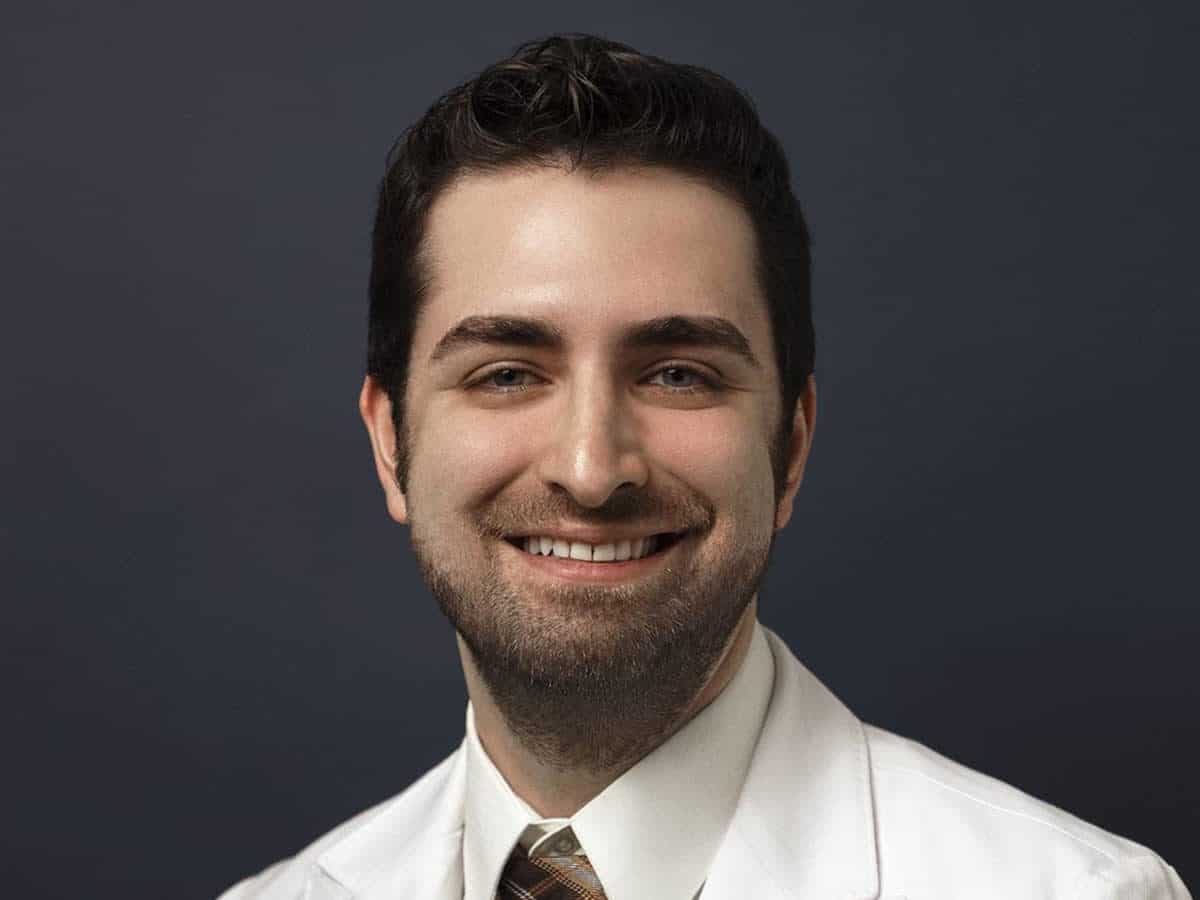
WRITTEN AND REVIEWED BY DR. HOMER HOJJAT, MD
Double-Board-Certified Facial Plastic Surgeon at SoCal Aesthetic Surgery
Dr. Homer Hojjat is a double-board-certified facial plastic surgeon and founder of SoCal Aesthetic Surgery in Irvine, CA. A summa cum laude graduate of UCLA, Dr. Hojjat completed his residency at Wayne State University and advanced fellowship training at Premier Image and Emory University, bringing a precision-focused approach to facial rejuvenation and non-surgical treatments. Dr. Hojjat published medical research on facial aesthetics and patient care, including a study examining how online news coverage may influence public perceptions of facial fillers. View the study on PubMed
Dr. Hojjat’s Credentials Include:
- Board Certified — Facial Plastic & Reconstructive Surgery
- Board Certified — Otolaryngology–Head & Neck Surgery
- M.D., Summa Cum Laude — University of California, Los Angeles
- Residency Training — Wayne State University
- Advanced Fellowship — Premier Image & Emory University
Expertise Areas:
Facial Plastic Surgery, Botox, Dermal Fillers, Laser Skin Resurfacing, Rhinoplasty, Facelift, Brow Lift.