
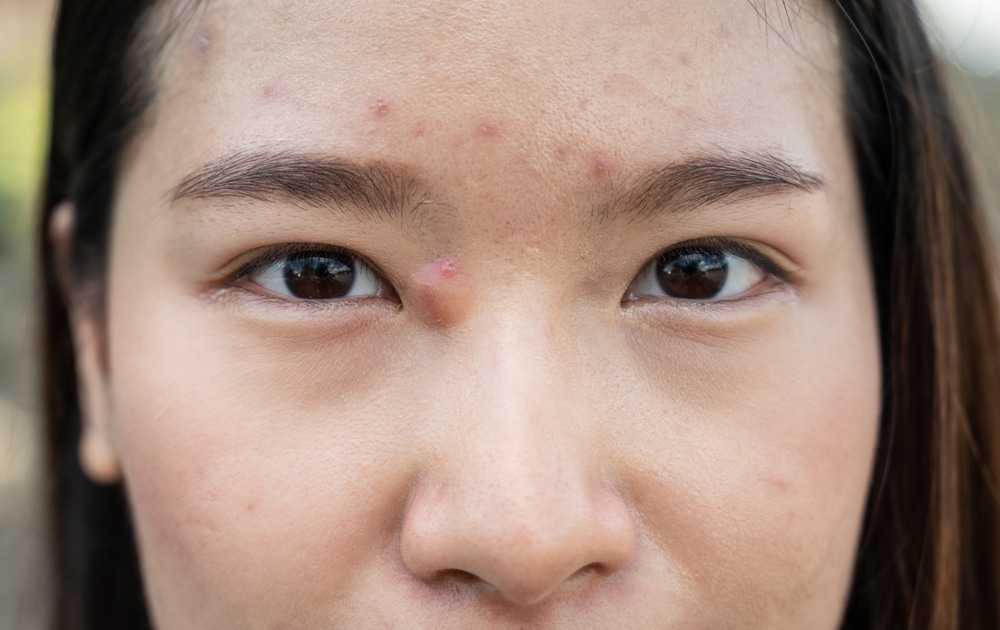
Have you noticed a bump after Botox that feels firm, raised, or hasn’t gone away as expected? Small bumps or swelling at injection sites are common immediately after Botox and usually resolve within hours or a few days. However, when a bump persists longer than expected, becomes more noticeable, or appears days after treatment, it’s natural to wonder whether something else may be going on.
In some cases, a persistent bump after Botox may be unrelated to the injection itself and instead reflect a sebaceous cyst that developed independently. Understanding the difference between normal post-injection changes and a lump that may require medical evaluation is important. In this article, we’ll explain what causes bumps after Botox, how to recognize when a sebaceous cyst may be involved, how to care for the area, and when it’s appropriate to consult a specialist.
Is It Normal to Have a Lump After Botox Injections?
Yes, it is common to notice a lump or bump after Botox injections, especially within the first few hours to days following treatment. These temporary bumps are often related to saline-related swelling, the depth of the injection, or how the Botox settles into the targeted muscles. Areas with frequent movement—such as the forehead or around the mouth—may feel uneven or firm initially due to normal muscle activity and localized fluid retention, and these effects typically resolve on their own.
A persistent lump after Botox is less common and is unlikely to be a sebaceous cyst when it appears immediately after treatment. Sebaceous cysts develop over time due to blocked pores or hair follicles and are not caused by Botox itself. When a lump lasts longer than expected, becomes painful, or changes in appearance, other causes (such as prolonged inflammation or, more rarely, infection) should be considered. Understanding these distinctions helps determine when observation is appropriate and when medical evaluation is recommended.
Bumps on the Forehead After Botox
Experiencing a bump on the forehead after Botox is one of the most common post-treatment concerns. The forehead has thin skin, limited subcutaneous fat, and highly active muscles, which can make even minor swelling or firmness more noticeable. Because Botox is frequently injected into the frontalis muscle to smooth forehead lines, temporary unevenness or small lumps may be felt as the product settles and the muscles adjust.
Forehead lumps after Botox are often most noticeable within the first few days and typically improve as swelling subsides and facial muscle activity stabilizes. A lumpy forehead after Botox that resolves within one to two weeks is usually considered a normal post-injection response. However, persistent Botox lumps on the forehead, especially those that continue to grow, become painful, or last beyond several weeks, are not typical and should be evaluated to rule out prolonged inflammation, infection, or unrelated skin conditions.
When a Persistent Lump After Botox May Be a Sebaceous Cyst
Sebaceous cysts form when glands in the skin become clogged, leading to a slow-growing bump that can sometimes be mistaken for post-injection swelling. If the lump appears several days after the botulinum toxin injection and doesn’t follow the usual resolution timeline for swelling at the injection site, it’s important to consider other possibilities, such as a sebaceous cyst. These cysts are typically painless, soft or firm to the touch, and may move slightly under the skin.
To accurately determine whether a lump is a sebaceous cyst or another issue, medical imaging and diagnostic tools can be used. An ultrasound is often the first step, as it provides a non-invasive way to visualize the contents and structure of the lump. If the cyst appears unusual or there is uncertainty about its nature, a biopsy may be recommended to rule out other skin conditions or infections. Proper diagnosis ensures the right treatment approach and prevents unnecessary complications.
How to Care for Sebaceous Cysts After Botox
While sebaceous cysts are usually harmless, taking proper care of the affected area is essential to prevent irritation or infection, especially following a recent Botox treatment. Fortunately, many at-home remedies can help minimize discomfort and support the body’s natural healing process without interfering with your Botox results.
In the following tips, we’ll cover simple and effective ways to manage a sebaceous cyst after a Botox procedure. These methods are easy to incorporate into your routine and can make a significant difference in how quickly and comfortably the area improves.
Warm compresses
Applying a warm compress to the cyst for 10–15 minutes a few times a day can help soften the skin and relieve discomfort from a tender or painful injection-site lump. The warmth increases circulation to the area, which may help your body reabsorb the trapped material inside the cyst over time. Just be sure the compress isn’t too hot to avoid irritating sensitive post-injection skin.
Keep the area clean
Maintaining cleanliness around the cyst is crucial for preventing secondary infection. Gently wash the area twice daily with a mild, non-comedogenic cleanser and lukewarm water. Avoid scrubbing or using harsh products, as the skin around the injection site may still be sensitive. Pat the area dry with a clean towel to avoid introducing bacteria.
Do not squeeze it
It can be tempting to try to pop or squeeze a sebaceous cyst, especially if it appears raised or contains visible fluid. However, doing so can increase the risk of infection, worsen inflammation, or even lead to scarring, particularly if the cyst is near the sensitive injection site. Instead, allow it to resolve naturally, or seek professional evaluation if it persists.
Dietary Considerations
While diet alone won’t eliminate a sebaceous cyst, maintaining a healthy, anti-inflammatory eating plan may support your skin’s healing process. Incorporate foods rich in antioxidants—such as leafy greens, berries, and fatty fish—to help reduce inflammation. Staying well-hydrated and avoiding excess sugar or processed foods can also promote overall skin health during recovery.
Avoid Certain Activities
To reduce the risk of aggravating the cyst or interfering with healing, avoid activities that cause excessive sweating, friction, or pressure near the injection area. This includes intense workouts, wearing tight hats or headbands, and applying heavy makeup over the lump. Limiting these factors allows the skin to breathe and lowers the chance of irritation or infection.
Medications and Topical Treatments
Over-the-counter anti-inflammatory medications like ibuprofen can help reduce swelling or discomfort associated with a painful lump after Botox. In some cases, topical creams containing ingredients like tea tree oil or salicylic acid may be recommended to reduce surface inflammation and keep the surrounding skin clear. However, avoid applying any strong creams or ointments directly on or near the injection site without medical advice.


Secure Your Safe Procedure Experience with Dr. Hojjat
Join our satisfied clients who’ve experienced safe, effective treatments.
When to Seek a Facial Plastic Surgeon or Dermatologist
Although most sebaceous cysts resolve on their own, there are situations where medical intervention becomes necessary. Recognizing when to contact a doctor can help you avoid complications and ensure you receive the proper treatment options. Persistent pain, changes in size, or signs of infection should never be ignored, especially if they occur near an injection site.
In the following points, we’ll highlight specific symptoms and scenarios that indicate it’s time to consult a qualified professional. Understanding when to escalate care can make a significant difference in both comfort and long-term skin health.
Infection Symptoms
If the area around the cyst becomes red, increasingly painful, warm to the touch, or begins to ooze pus, these could be signs of an infection. Infections can sometimes develop when bacteria enter through broken skin or as a complication near the injection site. Prompt treatment by a medical professional is necessary to prevent the infection from spreading or worsening.
Inflammation
Persistent inflammation that doesn’t improve with basic care may indicate that the cyst is irritated or becoming more complex. If the area continues to swell, feels increasingly tender, or shows color changes, it’s a sign that something more serious could be developing. Consulting a specialist helps prevent further complications and ensures the right steps are taken early.
Location or Size
The location and size of the cyst can also play a major role in determining the need for medical attention. If the cyst develops in a high-movement or highly visible area—such as around the eyes, mouth, or jawline—it can cause both discomfort and cosmetic concern. Larger cysts, regardless of location, may also press on nearby tissues and require more proactive treatment.
Consult with an Expert in Modern Beauty Procedures
When it comes to facial aesthetics, experience matters—especially when dealing with unexpected reactions like a sebaceous cyst after Botox. An experienced specialist understands the nuances of facial anatomy and can help accurately diagnose and treat any issue that arises. Proper diagnosis ensures your peace of mind and helps you return to your regular skincare or aesthetic routine safely and confidently.
Dr. Homer Hojjat is a double-board-certified facial plastic surgeon and a member of the CSFPS. With a strong academic background in both surgical techniques and cosmetic procedure research, Dr. Hojjat brings advanced, minimally invasive care to every patient. If you’re concerned about a reaction following a Botox treatment, call us at 949-996-3274 or visit our contact page to schedule a consultation.