
The conversation around facelift surgery has shifted considerably. Patients considering a facelift for jawline definition today are not asking for the pulled, overly tight appearance that once characterized the procedure; they want results that look like a better, more rested version of themselves. The emphasis has moved away from surface-level skin tension and toward something more nuanced: restoring the structural contours of the face and neck that define a youthful appearance in the first place.
This shift reflects both an evolution in surgical technique and a change in what patients want when they sit down for a facelift consultation. Understanding what drives natural-looking results and how modern facial plastic surgery delivers them helps patients approach their own decisions with clearer expectations.
Five Things to Know Before Your Facelift Consultation
Modern facelift surgery is fundamentally about restoring structure, not simply removing excess skin. Here are five key points that define the current approach:
- Today’s facelift patients prioritize subtle jawline contouring and a refreshed appearance over the tight, windswept look associated with older techniques.
- Lasting, natural results come from repositioning the deeper layers of the face, not from pulling the skin alone.
- The SMAS layer and deeper facial tissues are the foundation of modern facelift technique, including the deep plane approach.
- Non-surgical options like a liquid facelift can address early signs of aging, but cannot replicate the structural improvements that surgery provides for significant facial aging.
- A personalized surgical plan developed during consultation is essential to achieving results that suit each patient’s unique anatomy and goals.
Why Natural-Looking Facelift Results Are Now the Standard

For much of facelift surgery’s history, the goal was to remove loose skin and pull remaining skin tighter, an approach that could produce a smoother appearance but often resulted in a face that looked stretched rather than rejuvenated. That aesthetic has fallen out of favor, and for good reason. A face that looks operated on draws attention to itself in a way that runs counter to what most patients actually want.
What patients want now is a face and neck that look like they did years earlier, not a face that looks surgically altered. That means preserving natural movement, maintaining facial harmony, and achieving improvements that colleagues and acquaintances notice without being able to identify the source. High-definition photography and video have raised the stakes: results that look acceptable in person can look unnatural in photographs, which has pushed both patients and surgeons toward techniques that hold up under closer scrutiny.
The result of this evolution is a surgical approach focused on restoring what time has changed rather than simply tightening what remains. Youthful contours come from volume in the right places, defined structure along the jaw and neck, and soft tissue in its appropriate position, not from skin that has been pulled to its limit.
The Role of Jawline Contouring in a Modern Facelift
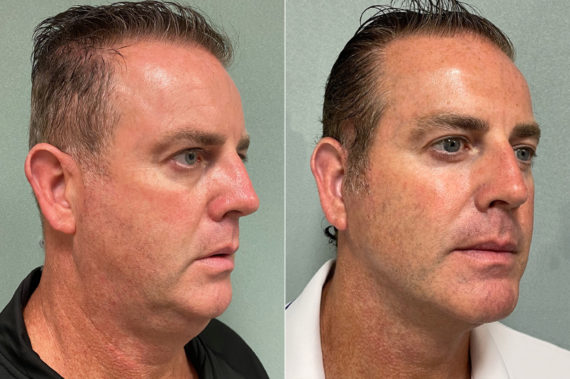
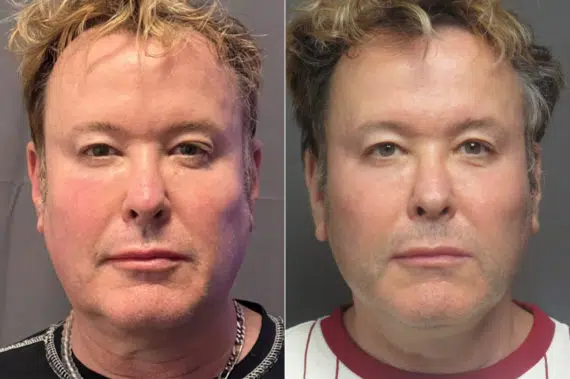
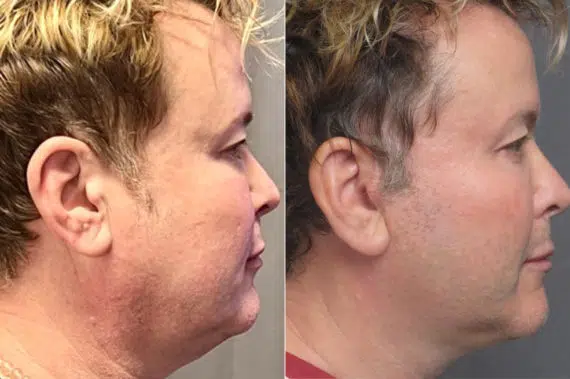
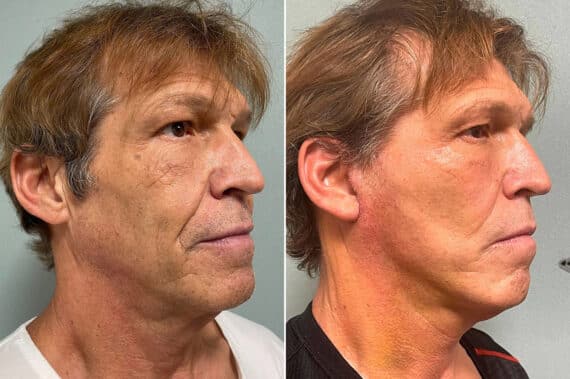
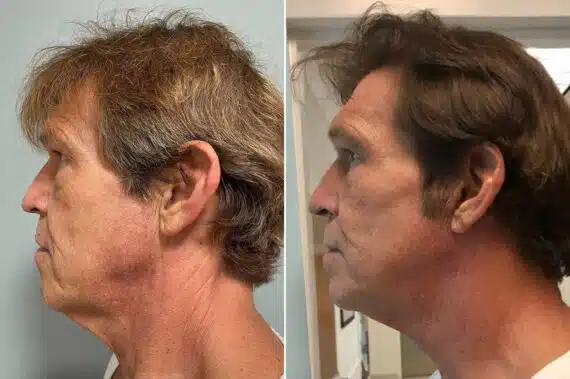
The jawline and neck area are among the first regions where facial aging becomes visible and among the most meaningful areas to address in facelift surgery. As the face ages, fat and soft tissue descend, the skin loses elasticity, and the clean separation between the face and neck blurs. Jowls form, the neck develops loose skin or a double chin, and the angular definition that characterizes a youthful face softens or disappears.
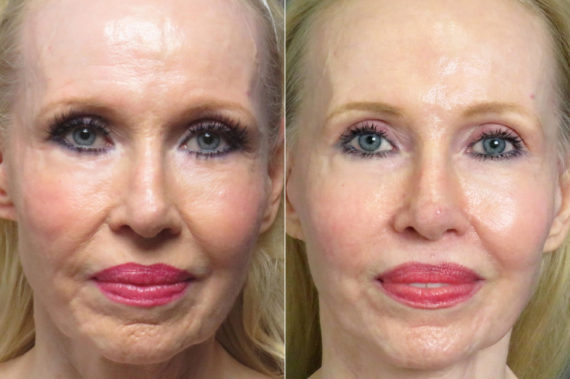
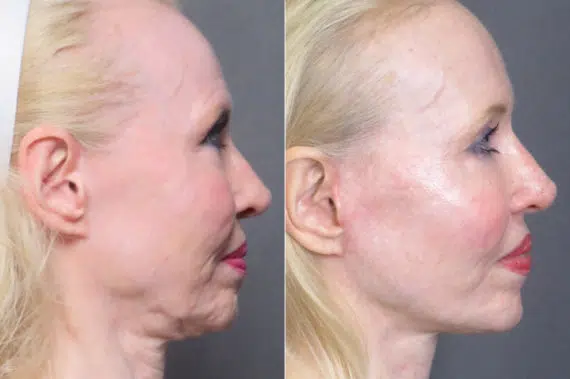
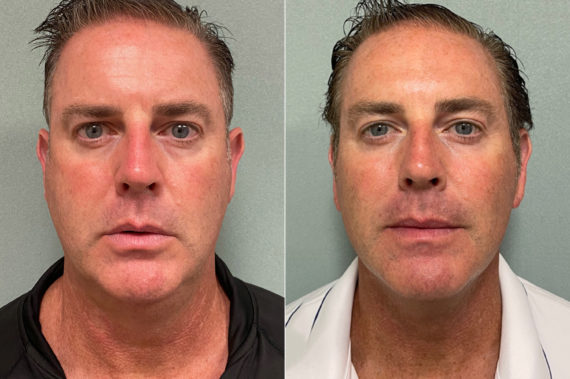
Restoring definition to the jaw and neck is not about creating an artificially sharp contour; it is about re-establishing the natural boundary between the lower face and neck that exists in a younger face. When the jawline is properly addressed, the entire face reads as more balanced and refreshed, even when no other changes have been made. This is why jawline contouring has become central to what patients are asking for and what skilled facial plastic surgeons prioritize in surgical planning.
A neck lift is frequently performed alongside a facelift to address loose skin and fullness beneath the chin and along the neck. Treating the face and neck together produces more comprehensive results than addressing either area in isolation, because aging in this region does not stop at the jawline.
Facelift Techniques That Prioritize Structure Over Skin Tension
The difference between a facelift that looks natural and one that does not often comes down to where the work is done. Skin-only techniques rely on pulling and removing surface tissue, which can smooth wrinkles temporarily but does not address the underlying structural changes that drive facial aging. Modern technique goes deeper.
Deep Plane Facelift
The deep plane facelift is a more advanced approach that releases and repositions the deeper soft tissue layers of the face rather than simply lifting the skin above them. By addressing the structural foundation of the face, the deep plane technique can restore volume and contour to the midface and jawline in a way that moves naturally with facial expression. Because the deeper tissues support the skin rather than the skin bearing all the tension, results tend to look softer and last longer than those achieved with more superficial approaches. This is the technique that most closely replicates the structural restoration patients are asking for when they describe wanting to look naturally younger.
SMAS and Structural Layer Adjustments
The SMAS, the superficial musculoaponeurotic system, is a layer of fibromuscular tissue that lies beneath the skin and connects the facial muscles to the overlying tissue. Addressing the SMAS is a cornerstone of modern facelift surgery because it allows the surgeon to reposition the deeper architecture of the face without placing tension on the skin surface. When the SMAS is properly lifted and secured, the skin can be redraped gently and naturally, avoiding the tight, pulled appearance that results from skin tension alone. A rhytidectomy performed with careful SMAS management is what distinguishes a surgical plan designed for lasting, natural results from one focused only on surface improvement.
Who Is a Good Candidate for This Approach?
Patients who benefit most from a structure-focused facelift are those dealing with moderate to significant changes in the lower face and neck who want results that look natural and last. Good candidates tend to share several characteristics:
- Visible jowling, neck laxity, or loss of jawline definition that has not responded to non-surgical treatments
- Good overall health with no conditions that would significantly affect healing
- Realistic expectations about what facelift surgery can achieve
- Skin quality that supports natural tissue repositioning
- A clear sense of their goals, discussed openly during consultation
For patients with earlier signs of aging, a mini facelift may provide meaningful improvement with smaller incisions and a quicker recovery, while those with more advanced changes typically benefit from a full facelift. Dr. Hojjat evaluates each patient individually during consultation to determine the right approach and whether combining procedures will produce the most balanced result.


Secure Your Safe Procedure Experience with Dr. Hojjat
Join our satisfied clients who’ve experienced safe, effective treatments.
Non-Surgical Options and Their Limits
For patients who are not yet ready for surgery or whose concerns are mild, less invasive options can provide meaningful improvement. A liquid facelift, a combination of dermal fillers and neuromodulators like Botox, can restore some volume, soften wrinkles, and improve the appearance of the jawline and neck area without surgery or recovery time. Where non-surgical options fall short:
- Fillers restore volume but cannot lift or reposition descended tissue.
- A liquid facelift addresses surface appearance but does not correct structural changes beneath the skin.
- Loose skin along the neck and jawline cannot be meaningfully tightened without surgery.
- Results from non-surgical treatments are temporary and require ongoing maintenance.
Patients with moderate to significant facial aging will generally achieve more meaningful and lasting improvement through facial plastic surgery than through non-surgical options alone. Other treatments and procedures can be discussed during consultation to ensure the right plan is in place.
Schedule a Facelift Consultation With Dr. Hojjat in Orange County
Choosing the right facial plastic surgeon is the most important decision in the facelift process. Dr. Homer Hojjat is a double-board-certified facial plastic surgeon and a member of the CSFPS, focusing exclusively on face and neck cosmetic procedures as well as reconstructive surgery, from facelift and eyelid surgery to brow lift and neck lift procedures. His approach prioritizes natural results, precise technique, and a surgical plan tailored to each patient’s anatomy and goals.
Patients from across Orange County, and from the Los Angeles area, choose Dr. Hojjat for the combination of specialized training, extensive experience with facial procedures, and a calm, attentive approach to patient care. Reach out to SoCal Aesthetic Surgery to schedule a consultation and discuss your goals with Dr. Hojjat directly.