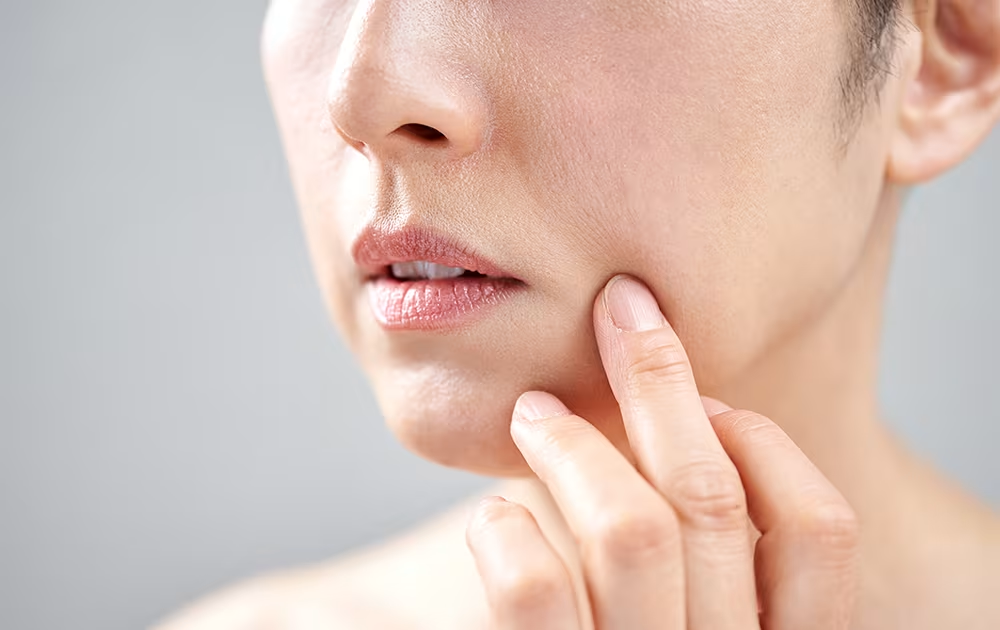
Quick Answer: Botox can subtly lift downturned corners of the mouth by relaxing the depressor anguli oris muscles, which pull the mouth downward. I recommend this treatment mainly for patients whose downturn is caused by muscle activity rather than significant volume loss or skin laxity. Results are temporary, usually subtle, and this use of Botox is off-label in the United States
Have you noticed that the corners of your mouth turn downward, making you look tired, sad, or upset even when you feel fine? If you are considering Botox to lift corners of mouth, the treatment may help when strong facial muscles are pulling the corners downward.
I use small, carefully placed injections to relax these muscles and create a slight, natural-looking lift. The results are temporary and usually subtle. Botox will not tighten loose skin or replace lost volume, and it is different from a surgical lip lift. In this guide, I will explain how the treatment works, who may benefit, and what you can expect.
Quick Overview: Botox for Downturned Mouth Corners
| Question | Suggested answer |
|---|---|
| What it treats | Downward muscular pull at the mouth corners |
| Best suited for | Mild to moderate downturn associated with DAO activity |
| Expected change | Subtle, temporary improvement—not a surgical lift |
| Onset | Often begins within several days |
| Final assessment | Commonly around two weeks |
| Duration | Varies; explain the clinic’s observed range without guarantees |
| Downtime | Usually limited |
| FDA status | Off-label for the mouth-corner/DAO area |
| Main limitation | Does not replace lost volume or remove significant laxity |
Key Takeaways: Botox to Lift Corners of Mouth
- A consultation is important to determine whether Botox, filler, surgery, or a combination of treatments is most appropriate.
- Botox may create a subtle lift by relaxing the DAO muscles that pull the mouth corners downward.
- The treatment works best when muscle activity—not volume loss or loose skin—is causing the downturn.
- Results are temporary and usually begin to appear within several days, with final results assessed around two weeks.
- Using Botox in the mouth-corner area is off-label in the United States and may cause temporary side effects such as bruising, weakness, or an uneven smile.
Can Botox Lift the Corners of Your Mouth?
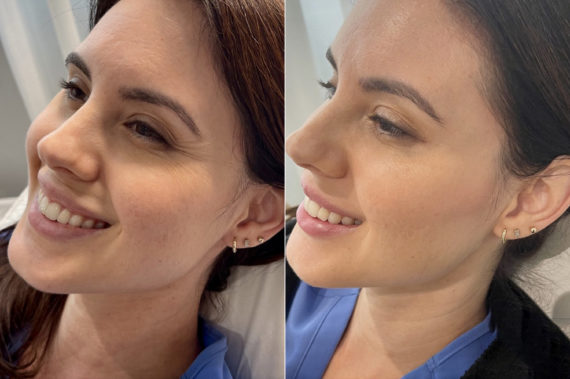
Yes, Botox is commonly used as a non-surgical smile lift for drooping mouth corners by targeting specific muscles that pull the oral commissures downward. By relaxing these muscles, the natural balance of opposing muscle groups in the face is restored, allowing the corners to lift slightly. The result is a subtle yet noticeable improvement in facial expression, giving you a friendlier, more refreshed appearance without altering your unique features.
How Does Botox Lift The Mouth Corners?
The procedure works by carefully injecting small amounts of botulinum toxin into the depressor anguli oris muscle, a key muscle responsible for pulling the corners of the mouth downward.
By temporarily relaxing this muscle, the upward pull from opposing facial muscles becomes more prominent, gently elevating the corners for a more positive, rested look.
During treatment, precise placement of the injections is essential to avoid affecting nearby muscles that control the upper lip or other parts of the mouth.
This technique is often referred to as a Botox smile lift because it improves the resting position of the mouth without altering natural movement.
When performed by an experienced injector, this technique provides natural-looking results that enhance your expressions without making them appear frozen or unnatural.
Clinical research also supports this temporary lifting effect. A 2026 prospective study of 51 subjects with drooping mouth corners found that botulinum toxin type A treatment produced significant improvement at 4 weeks. Measurements returned to baseline levels by 12 weeks, and no adverse events were reported among the study participants. View the study on PubMed (NIH).
Muscle, Volume, or Skin: How I Determine the Cause
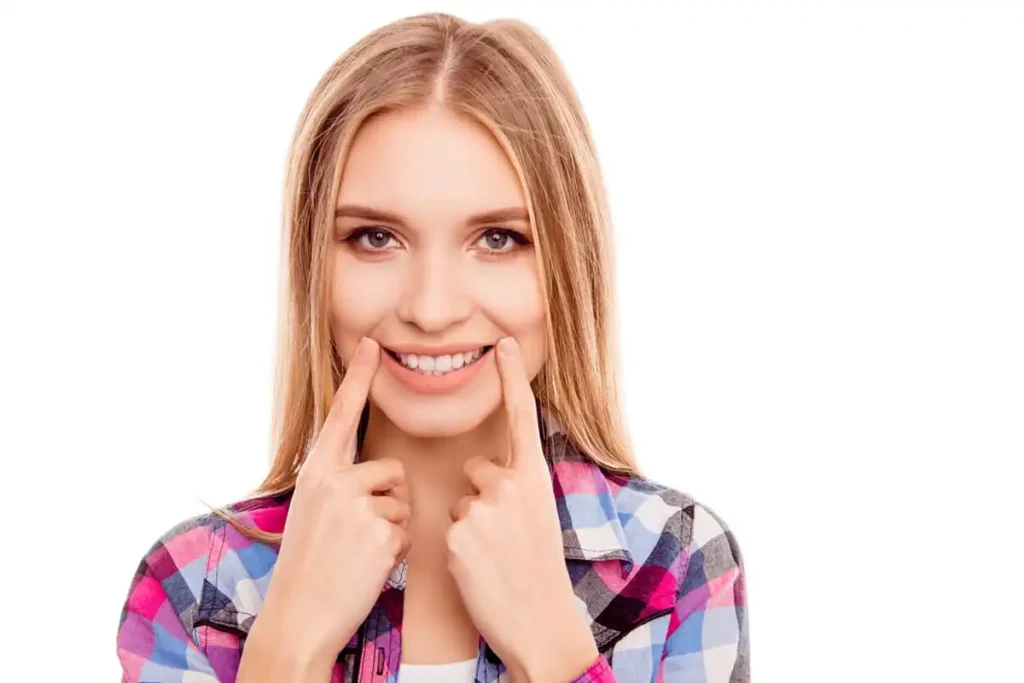
Downturned mouth corners can have different causes, so Botox is not always the right solution. During your consultation, I evaluate your mouth at rest and during facial movement to determine whether muscle activity, volume loss, skin laxity, or a combination of factors is contributing to the appearance.
Muscular Downturn
If the corners of your mouth are pulled downward by strong depressor anguli oris muscle activity, Botox may help create a subtle lift by relaxing that downward pull.
Volume-Related Downturn
If hollowing or loss of structural support around the mouth is the main concern, Botox alone may not provide enough improvement. In these cases, dermal filler or a combination treatment may be more appropriate.
Skin and Tissue Laxity
If the downturn is caused mainly by loose skin or broader lower-face sagging, Botox is unlikely to create a significant lift. I may recommend a different treatment approach, including surgical options, depending on your anatomy and goals.
My goal is to identify the underlying cause first so I can recommend the treatment most likely to produce a balanced, natural-looking result.
What to Do During Recovery From Botox for Mouth Corners
Because Botox for mouth corners is a minimally invasive treatment, recovery is typically quick and requires little downtime. The steps you take during recovery time can significantly impact your results. Following your provider’s aftercare instructions will help minimize side effects and extend your Botox results, ensuring you enjoy a lifted, more refreshed look for as long as possible. These simple habits can make all the difference in the longevity and quality of your outcome.
Are There Other Downturned Mouth Treatment Options?
While Botox is an effective option for subtly lifting droopy corners, other cosmetic treatments can address this concern, either as stand-alone solutions or as complementary treatments to enhance your results. From non-invasive fillers to surgical techniques, each approach has its own benefits and considerations, allowing patients to choose the best fit for their goals and lifestyle.
Avoid touching or massaging
After your treatment, it’s important to avoid touching, pressing, or massaging the injection sites for at least 24 hours. This precaution helps prevent the botulinum toxin from spreading to unintended areas, which could affect nearby muscles. Gentle hands-off care will support optimal placement and allow the product to settle where it’s needed most.
Remain upright
Staying upright for at least four hours after your injections helps ensure the botulinum toxin remains exactly where it was placed. Lying down too soon could increase the risk of migration to unintended muscles, which may affect your results. Use this time to relax, read, or enjoy light activities that keep you comfortably vertical.
Avoid strenuous exercise
For the first 24 hours after your procedure, skip intense workouts, heavy lifting, or any activities that significantly raise your heart rate. Strenuous exercise can increase blood flow and potentially cause the botulinum toxin to move from the injection site, which could diminish your results. Opt for light, low-impact activities instead during this short recovery window.
Gentle cleansing
When washing your face after treatment, opt for a mild cleanser and use gentle motions around the injection sites. Avoid hot water, harsh scrubs, or vigorous rubbing, as these can irritate the skin and potentially disrupt the treatment area. Pat your skin dry softly to maintain comfort and protect the results.


Secure Your Safe Procedure Experience with Dr. Hojjat
Join our satisfied clients who’ve experienced safe, effective treatments.
Are There Any Potential Side Effects of Botox Injections?
Most side effects are mild and temporary. You may experience slight swelling, bruising, redness, or tenderness around the injection sites.
Because the muscles around the mouth help with smiling, speaking, drinking, and lip movement, unintended muscle relaxation may cause an uneven smile, lower-lip weakness, drooling, or difficulty drinking. These effects are usually temporary, but no Botox treatment is risk-free. Seek immediate medical help if you experience difficulty swallowing, speaking, or breathing.
What If Botox Is Not the Right Option?
Botox works best when strong muscles are pulling the corners of the mouth downward. If volume loss or loose skin is the main cause, I may recommend dermal filler, surgery, or a combination of treatments instead. During your consultation, I will explain which option is most appropriate for your facial anatomy and goals.
Frequently Asked Questions About Botox for Lip Corners
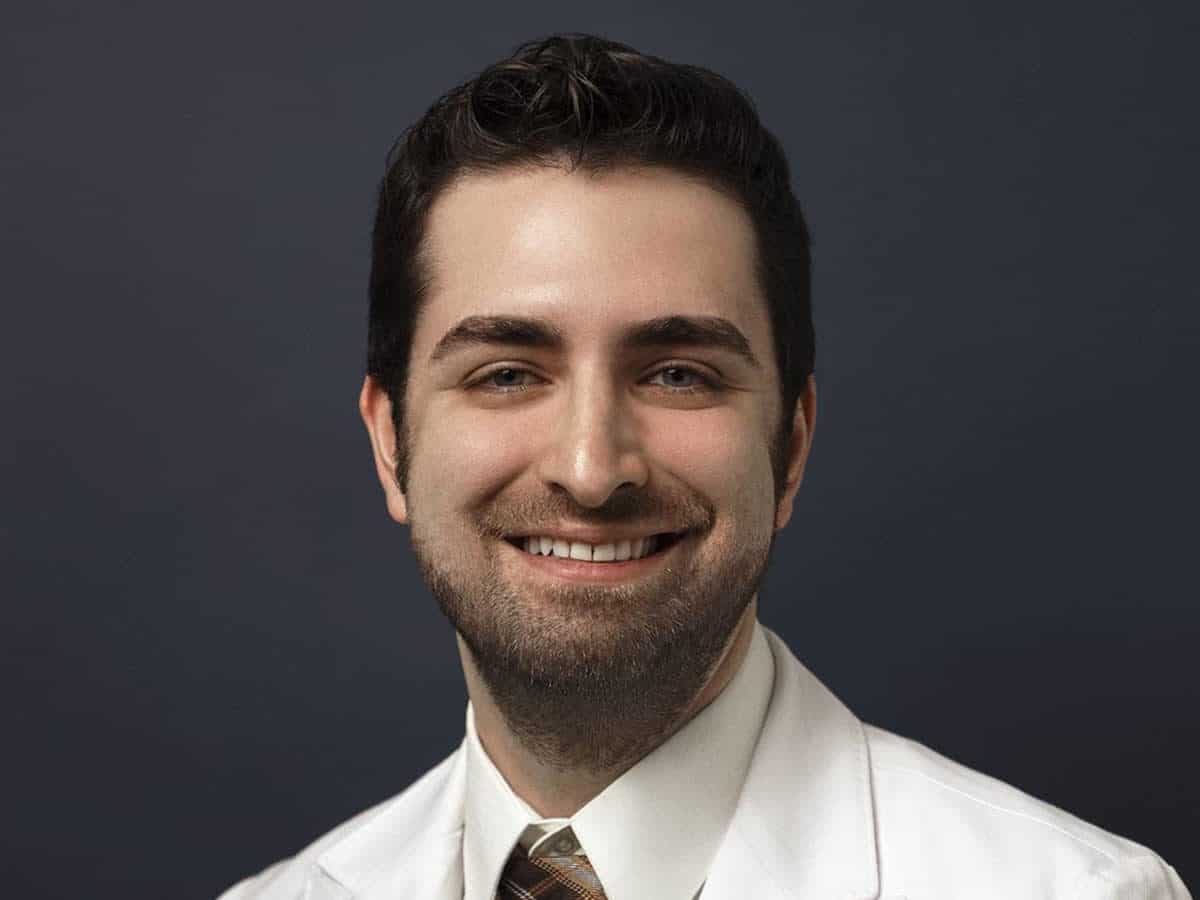
WRITTEN AND REVIEWED BY DR. HOMER HOJJAT, MD
Double-Board-Certified Facial Plastic Surgeon at SoCal Aesthetic Surgery
Dr. Homer Hojjat is a double-board-certified facial plastic surgeon and founder of SoCal Aesthetic Surgery in Irvine, CA. A summa cum laude graduate of UCLA, Dr. Hojjat completed his residency at Wayne State University and advanced fellowship training at Premier Image and Emory University, bringing a precision-focused approach to facial rejuvenation and non-surgical treatments.
Dr. Hojjat’s Credentials Include:
- Board Certified — Facial Plastic & Reconstructive Surgery
- Board Certified — Otolaryngology–Head & Neck Surgery
- M.D., Summa Cum Laude — University of California, Los Angeles
- Residency Training — Wayne State University
- Advanced Fellowship — Premier Image & Emory University
Expertise Areas:
Facial Plastic Surgery, Botox, Dermal Fillers, Laser Skin Resurfacing, Rhinoplasty, Facelift, Brow Lift.