
Have you ever wondered if there’s a way to make your eyes appear larger and more awake? While double eyelid surgery does not physically increase the size of the eyeball, it can make the eyes look more open and defined by creating a visible eyelid crease and improving the contour of the upper eyelid. Blepharoplasty, commonly called eyelid surgery, can remove excess skin or fat that creates upper-eyelid heaviness and may improve vision when overhanging skin obstructs the visual field. A drooping eyelid margin caused by true ptosis may require a separate muscle-repair procedure.
This procedure has become especially popular among patients seeking a subtle but noticeable eyelid change. According to the American Society of Plastic Surgeons, blepharoplasty ranked among the five most frequently performed cosmetic surgical procedures in 2024. Different techniques can be used to address upper-eyelid heaviness, under-eye bags, or an undefined eyelid crease, depending on the patient’s anatomy and goals.
Key Takeaways
- Results vary, and the procedure cannot guarantee perfect symmetry or correct every cause of a smaller eye appearance.
- A consultation with an experienced eyelid surgeon can help determine the most appropriate treatment approach.
- Double eyelid surgery does not enlarge the eyeballs, but it can make the eyes appear more open and defined.
- The procedure creates or refines an upper-eyelid crease based on the patient’s anatomy and goals.
- Patients with a low or undefined crease, eyelid heaviness, or asymmetry may notice the greatest change.
Can Blepharoplasty Change Eye Shape and Size?
Blepharoplasty does not change the actual size of the eyeball, but it can make the eyes appear larger, brighter, and more open. By removing excess skin and repositioning or reducing fat, eyelid surgery can address heaviness, drooping, and puffiness that may make the eyes look tired or smaller.
Upper, Lower, and Double Eyelid Surgery
Upper blepharoplasty removes excess skin and fat from the upper eyelids, while lower blepharoplasty addresses under-eye bags, puffiness, and excess skin. Double eyelid surgery, sometimes referred to as Asian blepharoplasty, creates or defines an upper-eyelid crease, which can make the eyes appear more open and defined.
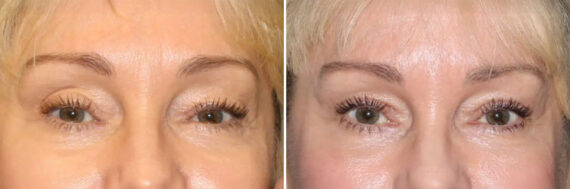
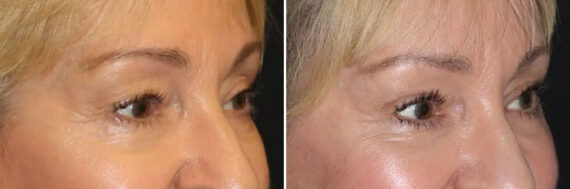
How Does Asian Blepharoplasty Affect Your Eye Size?
Asian blepharoplasty surgery has gained popularity among Asian individuals and other patients seeking more defined upper eyelid contours. By creating or refining an upper eyelid crease, the procedure can increase the visible eyelid space and give the eye area a clearer, more balanced appearance. This specialized technique is tailored to the patient’s anatomy, facial features, and desired results.
Creates an eyelid crease
One of the defining features of Asian blepharoplasty is the formation or refinement of a visible upper-eyelid crease, commonly called a double eyelid fold. A carefully positioned crease can enhance eyelid definition while complementing the patient’s existing facial features.
In some cases, a separate procedure may be considered to address a prominent epicanthal fold at the inner corner of the eye. Epicanthoplasty is not necessary for every patient and should be recommended only after evaluating the individual’s anatomy and goals.
Removes excess skin and fat
Through a carefully placed incision along the intended eyelid fold, the surgeon may remove excess skin and reposition or reduce underlying fat that contributes to upper eyelid heaviness. This can create a smoother, more open, and refreshed appearance while improving the definition of the upper eyelid.
The amount of tissue removed depends on the patient’s anatomy. A conservative approach is important to preserve natural eyelid function and avoid an overcorrected appearance.
Enhances expressiveness
By refining the upper eyelid contour and reducing tissue that may obscure the crease, Asian blepharoplasty can make the eyes appear more open and defined. Greater visibility of the upper eyelid and eyelashes may also help the eyes become a more noticeable focal point of the face.
The results are typically subtle and depend on factors such as eyelid anatomy, crease placement, skin thickness, and the patient’s desired goals.
Who May See the Greatest Change?
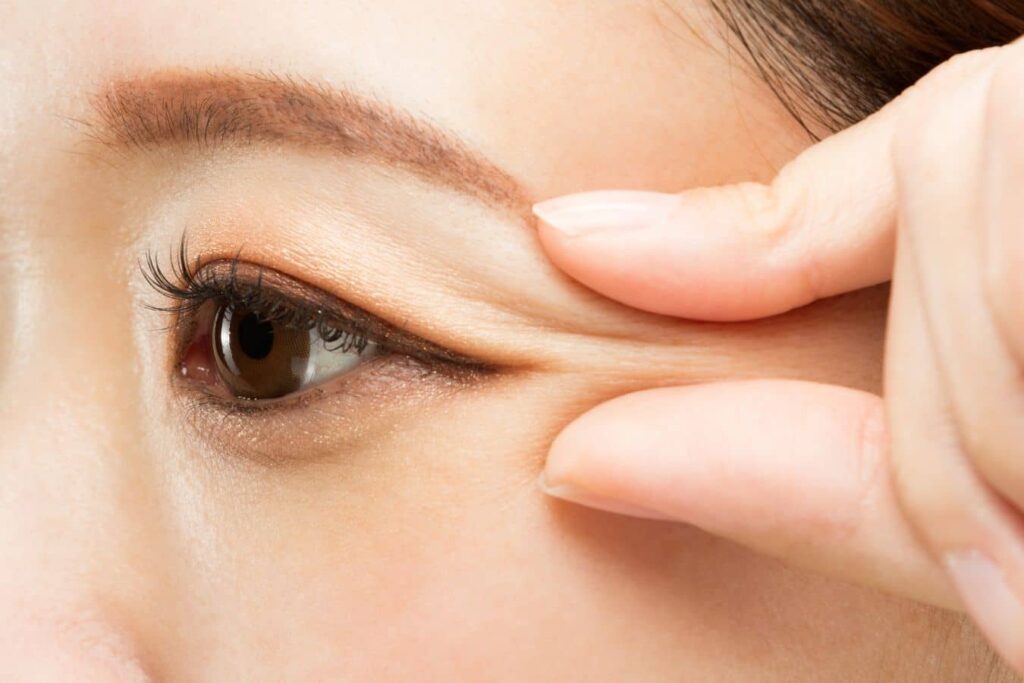
Patients may see a more noticeable change after double eyelid surgery when they have:
- A low or undefined upper eyelid crease
- Excess upper eyelid skin
- Localized fat that creates eyelid heaviness
- Noticeable eyelid asymmetry
- Upper eyelids that make the eyes appear less open
Results depend on factors such as eyelid anatomy, skin thickness, crease placement, and the amount of tissue present. A consultation is necessary to determine whether double eyelid surgery or another eyelid procedure is best suited to the patient’s concerns and goals.
What Blepharoplasty Cannot Change
Blepharoplasty reshapes the eyelids, but it does not enlarge the eyeballs or change their underlying structure. It also cannot correct every cause of a smaller or uneven eye appearance.
For example, eyelid drooping caused by ptosis may require repair of the eyelid-lifting muscle, while brow descent may require a different treatment. Blepharoplasty also cannot guarantee perfect symmetry or completely remove dark circles, fine lines, or every sign of aging around the eyes. Results vary according to individual anatomy and healing.
Depending on the cause of the concern, one of the following procedures may be recommended instead of, or alongside, blepharoplasty:
| Procedure | What it treats |
|---|---|
| Ptosis repair | Corrects a drooping upper eyelid caused by weakness or dysfunction of the lifting muscle |
| Brow lift | Raises a lowered brow that contributes to upper-eyelid heaviness |
| Epicanthoplasty | Reshapes the epicanthal fold at the inner corner of the eye |


Secure Your Safe Procedure Experience with Dr. Hojjat
Join our satisfied clients who’ve experienced safe, effective treatments.
What Are the Risks of Double Eyelid Surgery?
Like any surgical procedure, blepharoplasty carries potential risks, including:
- bleeding
- infection
- scarring
- dry eyes
- temporary swelling and bruising
- asymmetry
Choosing a qualified, board-certified plastic surgeon and following all pre- and postoperative instructions can help reduce these risks.
What Results Can You Expect?
It’s also important to have realistic expectations about the outcome. While double eyelid surgery can create a more defined eyelid crease and make the eyes appear more open, it will not completely change your natural eye shape or guarantee perfect symmetry. Final results develop gradually as swelling subsides, and healing times vary from person to person.
The best outcomes are achieved when the surgical plan is tailored to the patient’s anatomy, facial features, and aesthetic goals through a thorough consultation with an experienced surgeon.
What to Look for in a Plastic Surgeon
When considering blepharoplasty, or any cosmetic eyelid surgery, it’s crucial to work with a qualified facial plastic surgeon who understands both the aesthetics and functionality of the eye area. Because this is such a precise procedure, selecting a specialist with experience in delicate facial anatomy is key to achieving balanced, natural-looking results.
The right surgeon will use advanced techniques to ensure minimal scarring and carefully tailored outcomes. Look for board certifications, patient testimonials, and a portfolio of results that reflect expertise in eyelid surgery and a personalized approach to patient care.
Consult with an Eyelid Surgery Specialist Today
Double eyelid surgery can make the eyes appear more open and defined, but results depend on your anatomy and goals. During your consultation, Dr. Hojjat and our team can evaluate your eyelids, discuss your options, and recommend an appropriate approach.
Call 949-996-3274 or visit our contact page to schedule a consultation.
Frequently Asked Questions About Double Blepharoplasty
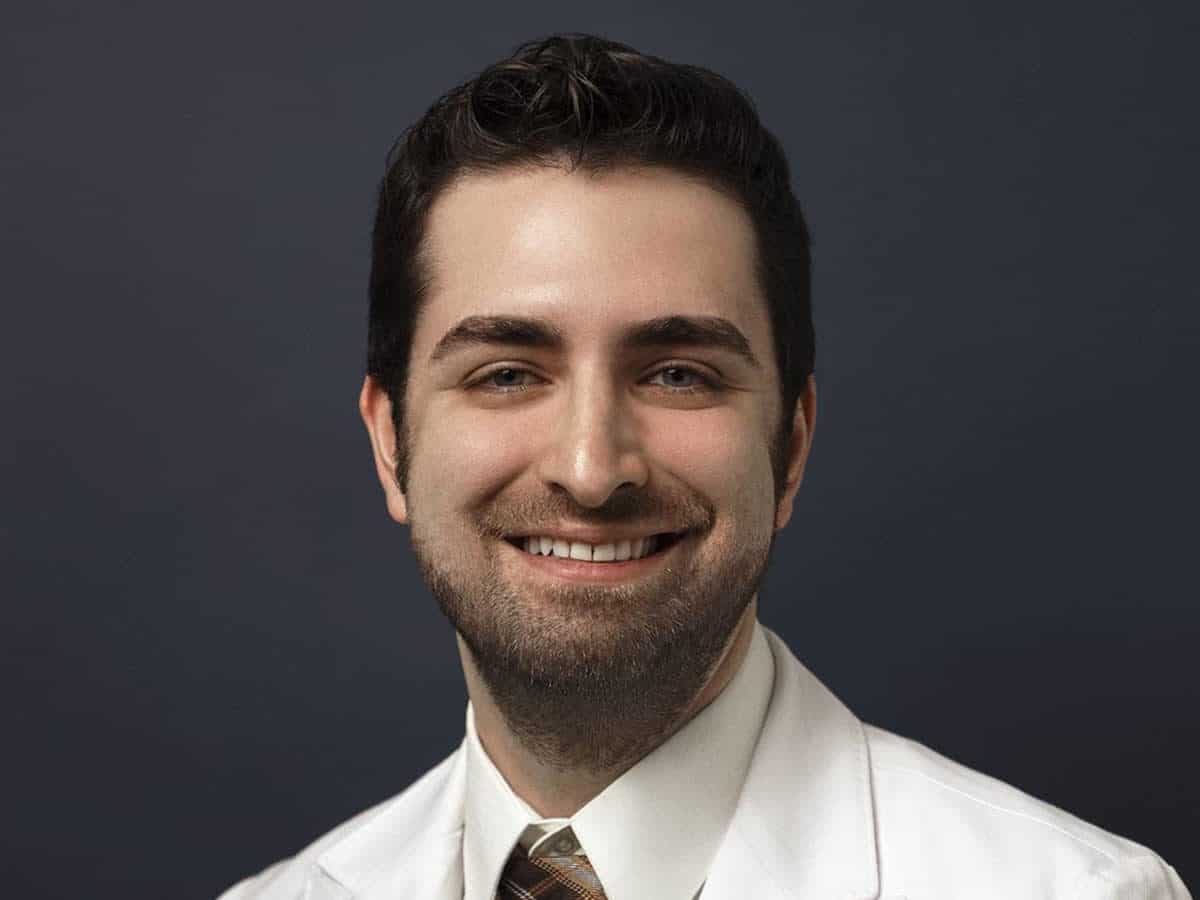
WRITTEN AND REVIEWED BY DR. HOMER HOJJAT, MD
Double-Board-Certified Facial Plastic Surgeon at SoCal Aesthetic Surgery
Dr. Homer Hojjat is a double-board-certified facial plastic surgeon and founder of SoCal Aesthetic Surgery in Irvine, CA. A summa cum laude graduate of UCLA, Dr. Hojjat completed his residency at Wayne State University and advanced fellowship training at Premier Image and Emory University, bringing a precision-focused approach to facial rejuvenation and non-surgical treatments.
Dr. Hojjat’s Credentials Include:
- Board Certified — Facial Plastic & Reconstructive Surgery
- Board Certified — Otolaryngology–Head & Neck Surgery
- M.D., Summa Cum Laude — University of California, Los Angeles
- Residency Training — Wayne State University
- Advanced Fellowship — Premier Image & Emory University
Expertise Areas:
Facial Plastic Surgery, Botox, Dermal Fillers, Laser Skin Resurfacing, Rhinoplasty, Facelift, Brow Lift.