
Quick Answer: Botox does not usually “migrate” or travel freely through the face after injection. However, a small amount can diffuse into nearby tissue or affect an adjacent muscle, especially when placement, dose, injection volume, or facial anatomy contributes to unintended spread. This may cause temporary effects such as eyelid drooping or facial asymmetry. Serious effects far from the injection site are rare but require prompt medical attention.
Botox injections are commonly used to soften fine lines and wrinkles. One question I often hear from patients is, “Does Botox migrate after injection?” Many people worry that touching the area, making facial expressions, or applying pressure could cause Botox to shift.
In this article, I’ll explain what happens after Botox is injected, whether touch or movement can affect the results, and what patients may mistake for Botox migration.
Key Takeaways
- Seek medical help right away for trouble breathing, swallowing, or speaking, unusual weakness, double vision, or severe drooping.
- Botox does not usually travel freely through the face after injection.
- A small amount may sometimes affect a nearby muscle, which is called local diffusion.
- Swelling, bruising, small bumps, or temporary unevenness do not usually mean Botox has moved.
- Light touching and normal facial expressions are unlikely to affect the treatment.
- I recommend avoiding firm rubbing or massage and following your injector’s aftercare instructions.
Does Botox Migrate After Injection?
Botox does not normally move freely through the face after injection. It is designed to work near the treated muscle, although a small amount may sometimes affect a nearby muscle.
Mild swelling, bruising, or temporary unevenness usually comes from the injection or the way the muscles respond—not from Botox moving under the skin.
What Do Patients Mean by “Botox Migration”?
When patients talk about Botox migration, they may be describing one of three different situations.
Local Diffusion
Botox is meant to work near the muscle where it is injected. However, a small amount may sometimes affect a nearby muscle. This is called local diffusion. Depending on the treatment area, it may cause temporary eyebrow or eyelid drooping.
Injection Technique or Muscle Balance
An uneven result does not always mean that Botox moved. It may be related to:
- The depth or location of the injection
- The dose and amount used
- Your natural facial anatomy
- Existing facial asymmetry
- Differences in the strength of nearby muscles
This is why I carefully consider each patient’s facial anatomy, muscle movement and treatment goals before performing Botox injections.
Effects Away From the Injection Area
The FDA prescribing information for Botox warns that the effects of botulinum toxin may sometimes be noticed away from the injection area. However, the FDA also notes that no definitive serious cases of distant spread have been reported when Botox Cosmetic is used at recommended cosmetic doses.
Seek medical help right away if you have trouble breathing, swallowing, or speaking, or if you experience unusual muscle weakness, double vision, or severe drooping after treatment.
Will Botox Stay in Your Face?
Yes. Botox remains localized to the injection area and does not spread throughout the face. Any perceived movement is usually related to temporary swelling, muscle relaxation patterns, or minor bruising—not the Botox itself traveling under the skin or through the body.
Understanding Botox Aftercare
Aftercare instructions can vary between injectors, and there is limited research supporting every traditional Botox restriction. I recommend following the instructions given by your treating clinician.
As a simple precaution after treatment, I usually advise patients to:
- Avoid firm rubbing, massage or continued pressure on the treated areas for the period recommended by their injector.
- Follow their injector’s advice about exercise and strenuous activity.
- Tell their injector about blood thinners, aspirin, anti-inflammatory medicines and supplements.
- Never stop prescribed medication unless the prescribing clinician approves it.
- Ask before scheduling laser treatments, chemical peels, waxing or other facial procedures near the injection sites, since the recommended waiting time may vary.
Normal facial expressions and light everyday touching are unlikely to make Botox move. These precautions are mainly intended to reduce irritation, swelling, bruising and unwanted effects while the treated areas settle.
The Biology of Botox and Why It Doesn’t Migrate
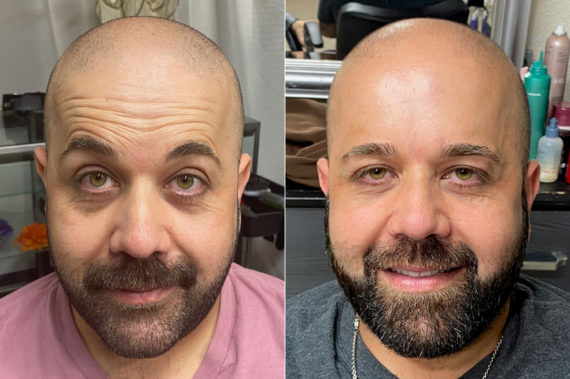
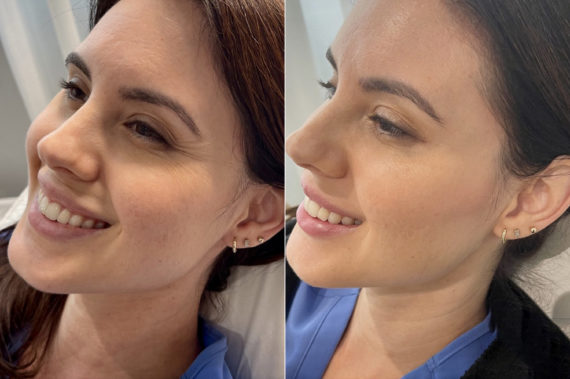
Botox treatment works by binding to nerve endings in the targeted muscle, where it blocks the release of acetylcholine—the chemical signal responsible for muscle contraction. Once injected, the product remains localized and does not travel through the face or bloodstream. Any early swelling or firmness is a normal injection response, not Botox movement. Over time, the body naturally breaks down the toxin over about 3 to 4 months, after which normal nerve signaling gradually returns.
The Botox Timeline helps illustrate the changes:
- About 72 Hours (3 Days) and Beyond: The peak effects of Botox are noticed with a significant decrease in muscle activity.
- Beginning on the first day after treatment, Botox can take effect on the muscles, and you can expect to see some results.
- 24-48 hours post treatment: signs of muscle relaxation may be seen while swelling begins to subside.


Secure Your Safe Procedure Experience with Dr. Hojjat
Join our satisfied clients who’ve experienced safe, effective treatments.
The Impact of Physical Manipulation on Botox Results
While Botox itself does not migrate through the face, excessive rubbing or massaging the treated area shortly after injection can affect how the product settles within the targeted muscle. This is why patients are advised to avoid touching the area during the first 24 hours.
Importantly, this does not mean Botox is moving under the skin. Any visible changes are usually related to muscle relaxation patterns or temporary swelling—not the toxin traveling to other areas.
Confronting Botox Displacement Myths with Expert Insights
Alarming stories have circulated, yet experts assure us that the treatment we get injected into our faces usually stays where it was put. We sometimes see temporary redness at the injection site, which is occasionally mistaken for Botox moving. But skilled practitioners secure the product in place at this targeted application site. Botox will stay where it is placed regardless of normal facial expressions.
Exercising with intensity in the hours following Botox application could be dangerous. Additionally, while medications such as blood thinners may increase the risk of bruising but do not affect where Botox is placed. The success and precision of the treatment are dictated most by how accurately this injection is given.
Ensuring a Quality Botox Experience by Choosing a Botox Professional
Concerns about Botox migration are common, but when injections are performed by a board-certified facial plastic surgeon, the product remains precisely where intended. A well-executed Botox procedure is not just a cosmetic enhancement but also a medical action that requires a deep understanding of facial structure. Choose an expert injector in both the technical aspects of injecting and facial anatomy. Occasionally, experts might advise against Botox for specific health reasons, like when blood thinners are being used, as this can prevent blood from clotting properly and lead to increased bruising at injection sites.
Consult with a Facial Plastic Surgeon
If you have questions about Botox injections or are considering this treatment, it’s important to get professional advice. Dr. Homer Hojjat, with his skill and expertise, can guide you through the process. By combining a scientific background with an artistic eye, Dr. Hojjat ensures personalized care and natural-looking results.
To learn more and discuss your options for facial plastic surgery, we recommend scheduling a consultation with Dr. Hojjat at SoCal Aesthetic Surgery in Irvine, CA. His understanding of facial structures and dedication to patient care make him a trusted choice.
Frequently Asked Questions About Botox Migration
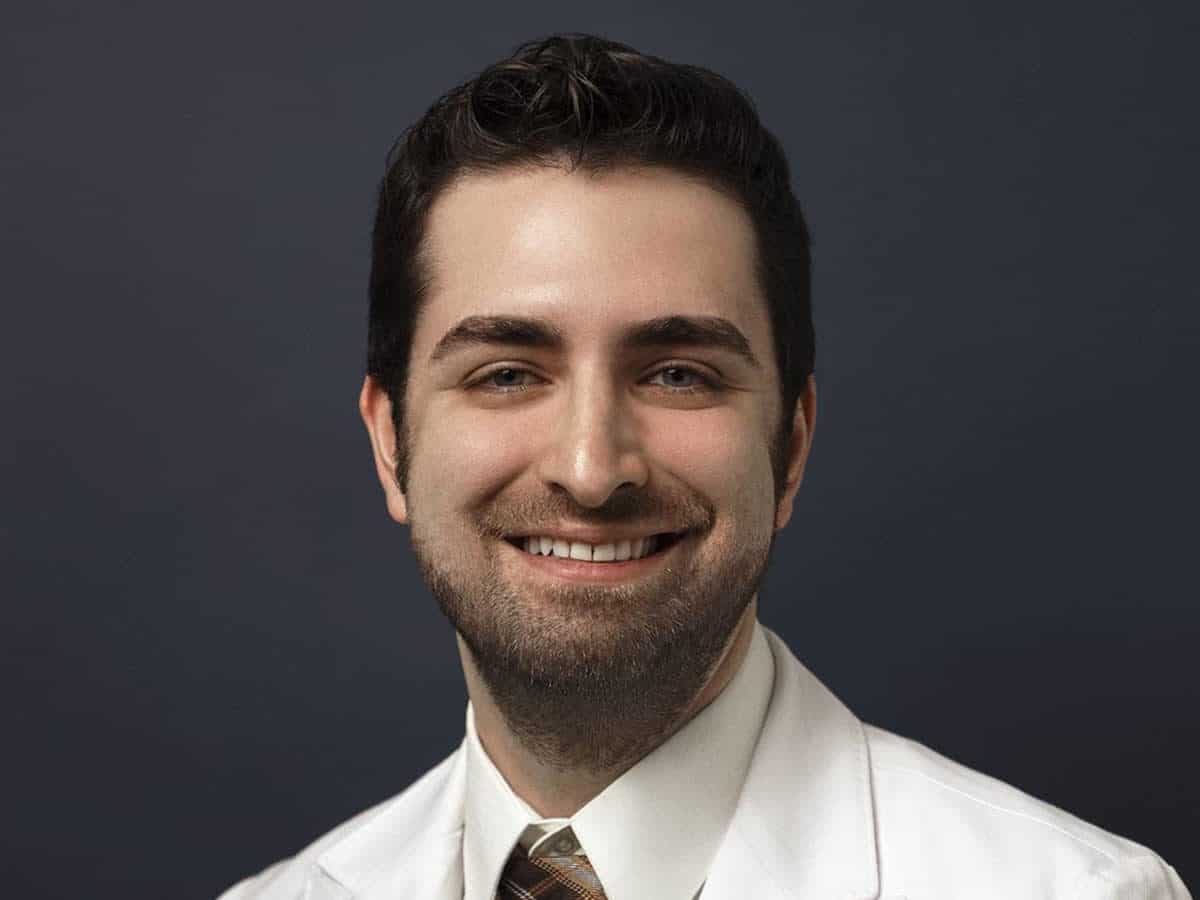
WRITTEN AND REVIEWED BY DR. HOMER HOJJAT, MD
Double-Board-Certified Facial Plastic Surgeon at SoCal Aesthetic Surgery
Dr. Homer Hojjat is a double-board-certified facial plastic surgeon and founder of SoCal Aesthetic Surgery in Irvine, CA. A summa cum laude graduate of UCLA, Dr. Hojjat completed his residency at Wayne State University and advanced fellowship training at Premier Image and Emory University, bringing a precision-focused approach to facial rejuvenation and non-surgical treatments.
Dr. Hojjat’s Credentials Include:
- Board Certified — Facial Plastic & Reconstructive Surgery
- Board Certified — Otolaryngology–Head & Neck Surgery
- M.D., Summa Cum Laude — University of California, Los Angeles
- Residency Training — Wayne State University
- Advanced Fellowship — Premier Image & Emory University
Expertise Areas:
Facial Plastic Surgery, Botox, Dermal Fillers, Laser Skin Resurfacing, Rhinoplasty, Facelift, Brow Lift.