
Are you considering getting a minor brow lift? This comprehensive guide provides an overview of the procedure, its potential benefits, risks, and recovery process. A mini brow lift may help address concerns such as sagging brows and forehead lines while creating a refreshed appearance. Because techniques vary, the expected results, incision placement, and recovery experience will depend on your anatomy and surgical plan.
Key Takeaways
- A mini brow lift generally refers to a limited-incision approach designed to reposition selected areas of the brow.
- Recovery varies by surgical technique and individual healing, although limited-incision approaches may involve less downtime than more extensive brow lift techniques.
- A mini brow lift may improve the appearance of sagging brows and forehead lines, helping create a more alert and refreshed appearance.
- Ideal candidates are generally healthy individuals with brow-related concerns who have realistic expectations about what the procedure can achieve.
- Like any surgery, a mini brow lift carries potential risks. Choosing a qualified and experienced surgeon and following individualized medical guidance can help minimize avoidable risks.
What is a Mini Brow Lift?
A mini brow lift generally refers to a limited-incision approach designed to reposition selected areas of the brow using smaller incisions than some traditional brow lift techniques. However, “mini brow lift” does not describe one standardized surgical technique.
The location and number of incisions, the tissues adjusted, and the amount of lift can vary based on the surgeon’s approach, the patient’s anatomy, hairline, and treatment goals. During your consultation, your surgeon can explain which technique is recommended for you and why.
The Technique
A mini brow lift typically involves a more limited surgical approach than some traditional brow lift techniques. However, the term “mini brow lift” can refer to different techniques, and the exact surgical plan varies between surgeons and patients.
Factors such as brow position, forehead anatomy, hairline, skin characteristics, and treatment goals can influence the placement of incisions and the tissues that are repositioned.
Anesthesia and Preparation
The type of anesthesia used for a mini brow lift can vary based on the surgical approach and your surgeon’s recommendation. According to the American Society of Plastic Surgeons, brow lift surgery may be performed using intravenous sedation or general anesthesia. Your surgeon will recommend the appropriate option for your procedure and discuss it with you beforehand.
The Procedure Steps
Through the planned incisions, the surgeon repositions selected tissues to achieve the intended brow elevation. Depending on the technique, additional adjustments to the skin or underlying tissues may also be performed. The exact steps depend on the surgical approach selected for the patient.
Procedure time can vary based on the technique and complexity of the surgery. Afterward, the patient is typically monitored in a recovery area as the effects of anesthesia wear off and the surgical team assesses the early recovery period. Swelling and bruising can occur and generally improve as healing progresses.
Mini Brow Lift Recovery Instructions
To support healing and manage discomfort during recovery, patients should follow their surgeon’s post-operative recommendations. These may include temporarily avoiding strenuous activities, keeping the head elevated, caring for incision sites, and taking medications as directed.
As swelling gradually resolves, patients may begin to notice changes in brow position and the appearance of the forehead. Results continue to develop as the tissues heal.
Results and Longevity
Results from a mini brow lift may last for several years, although longevity varies by patient, surgical technique, skin characteristics, and the natural aging process.
A mini brow lift may create a more refreshed appearance by addressing concerns such as sagging brows and forehead lines. The degree of improvement varies, and your surgeon can help explain what may reasonably be achieved based on your anatomy and goals.
Who is an Ideal Candidate for a Mini Brow Lift?
Potential candidates for a mini brow lift may include individuals concerned about brow descent, forehead lines, or changes in the upper face who are generally in good health and have realistic expectations.
Because a mini brow lift is not appropriate for every patient or every cosmetic concern, a consultation with a qualified surgeon is necessary to determine whether this approach or another treatment may better address your goals.
The Benefits of a Mini Brow Lift
The potential benefits of a mini brow lift depend on the technique used, your anatomy, and the areas being treated. Because “mini brow lift” is not one standardized procedure, results can vary.
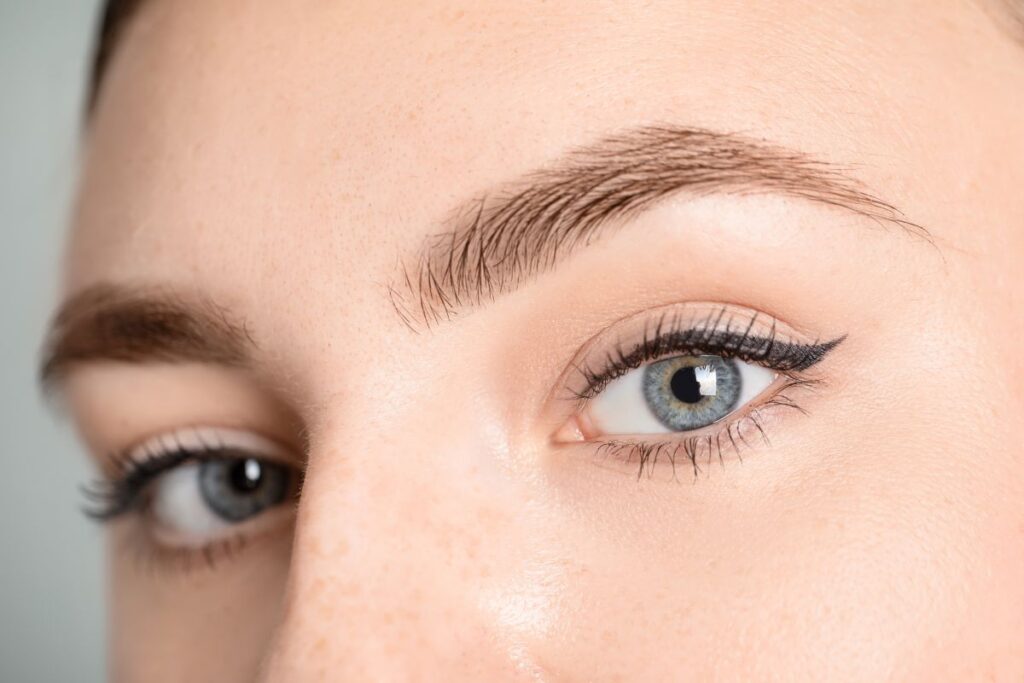
Repositioning a Low or Sagging Brow
One of the main goals of brow lift surgery is to raise or reposition sagging eyebrows. According to the Cleveland Clinic, a brow lift can elevate sagging brows and create a more alert appearance.
For patients undergoing a limited or temporal approach, the amount and location of the lift may be more targeted than with a traditional brow lift.
Reducing the Appearance of Forehead and Frown Lines
Brow lift surgery may also reduce the appearance of certain forehead wrinkles and frown lines. Johns Hopkins Medicine notes that brow lifts can help smooth forehead wrinkling, ease frown lines, and modify drooping brows.
The degree of improvement depends on the type of wrinkles, the surgical technique, and the patient’s individual anatomy.
Improving the Upper-Face and Eye-Area Appearance
By repositioning a low brow, the procedure may also improve the appearance of the upper eye area. However, a brow lift does not correct all eyelid concerns or change the actual shape of the eyes, so some patients may require a different or additional procedure depending on their anatomy and goals.
Patients with significant eyelid concerns may therefore require a different or additional procedure.
Potentially Smaller Incisions With Limited Techniques
Some limited brow lift techniques use smaller incisions than traditional open approaches. According to Johns Hopkins Medicine, endoscopic brow lifts use small incisions hidden within the hair and generally have faster healing than the classic approach.
Whether these advantages apply to a particular mini brow lift depends on the specific technique your surgeon recommends.


Secure Your Safe Procedure Experience with Dr. Hojjat
Join our satisfied clients who’ve experienced safe, effective treatments.
Preparing for a Mini Brow Lift
Before the procedure, your surgeon will provide individualized instructions for preparing for surgery. Depending on your medical history, this may include guidance about certain medications or supplements, smoking, eating and drinking before surgery, and arranging transportation from the surgical facility.
Follow your surgeon’s specific instructions rather than making changes to prescribed medications on your own.
The Recovery Process
Recovery after a mini brow lift can vary depending on the surgical technique used and your individual healing response. According to the Cleveland Clinic, brow lift techniques that use smaller incisions, such as endoscopic approaches, are less invasive and generally involve a shorter recovery than traditional open techniques.
Swelling and bruising typically improve gradually, and your surgeon will advise you when it is appropriate to return to work, exercise, and other regular activities.
Risks and Considerations
Like any surgical procedure, a mini brow lift carries potential risks and complications. While individual risks can vary depending on the surgical approach and the patient, it is important to understand these possibilities before deciding whether the procedure is right for you.
Potential risks associated with brow lift surgery include:
- Bleeding
- Infection
- Anesthesia-related risks
- Facial asymmetry
- Unfavorable scarring
- Numbness or other changes in skin sensation
- An elevated or altered hairline
- Eye irritation or dryness
- Fluid accumulation
- Persistent pain
- Poor wound healing
- The possibility of revision surgery
According to the American Society of Plastic Surgeons, these are among the recognized risks associated with brow lift surgery. Not every risk applies equally to every patient or surgical technique, so your surgeon should discuss the complications most relevant to your health, anatomy, and treatment plan.
Consult with a Brow Lift Plastic Surgeon
A mini brow lift may provide a subtle change in brow position and upper-face appearance for appropriately selected patients. If you’re considering this procedure, you can schedule a consultation with me to discuss your concerns, anatomy, and whether a mini brow lift or another treatment may be appropriate for your goals.
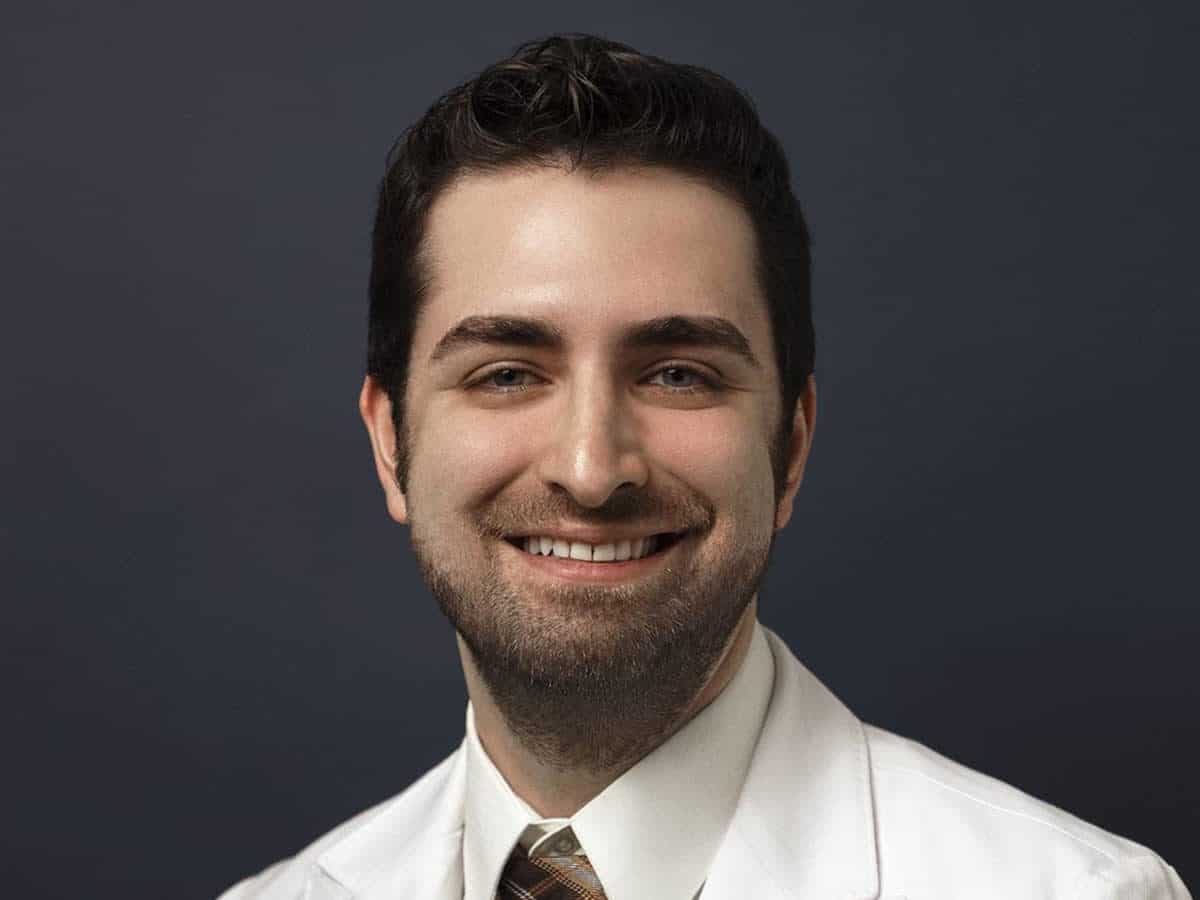
WRITTEN AND REVIEWED BY DR. HOMER HOJJAT, MD
Double-Board-Certified Facial Plastic Surgeon at SoCal Aesthetic Surgery
Dr. Homer Hojjat is a double-board-certified facial plastic surgeon and founder of SoCal Aesthetic Surgery in Irvine, CA. A summa cum laude graduate of UCLA, Dr. Hojjat completed his residency at Wayne State University and advanced fellowship training at Premier Image and Emory University, bringing a precision-focused approach to facial rejuvenation and non-surgical treatments.
Dr. Hojjat’s Credentials Include:
- Board Certified — Facial Plastic & Reconstructive Surgery
- Board Certified — Otolaryngology–Head & Neck Surgery
- M.D., Summa Cum Laude — University of California, Los Angeles
- Residency Training — Wayne State University
- Advanced Fellowship — Premier Image & Emory University
Expertise Areas:
Facial Plastic Surgery, Botox, Dermal Fillers, Laser Skin Resurfacing, Rhinoplasty, Facelift, Brow Lift.