
Botox results do not appear all at once. In the hours and days after treatment, it is normal to watch closely for changes and wonder whether the injections are beginning to work, or whether you should be seeing more improvement by now.
This guide follows the Botox timeline from the day of treatment through the following months, including what you may notice at each stage, when results are typically evaluated, and when the effects may begin to fade. Dr. Homer Hojjat also explains what to expect from the procedure, aftercare, possible side effects, and follow-up visits.
Key Takeaways
- Following your provider’s aftercare and follow-up instructions can support a smooth treatment experience.
- Botox may begin working within the first few days after treatment.
- More noticeable improvements often develop over the following one to two weeks.
- Results may continue to improve beyond the two-week mark.
- The effects commonly last about three to four months, although they may remain visible for up to six months in some cases.
How Long Does Botox Take to Work?
Botox may begin working within the first few days after treatment, with more noticeable changes developing over the following one to two weeks. Some patients notice subtle improvement within 48 to 72 hours, while results may continue developing beyond the two-week mark.
Before Your Botox Appointment: Preparing for the Procedure
Selecting a qualified provider with experience administering Botox is an important first step toward achieving your aesthetic goals safely. During your consultation, the provider should review your medical history, current medications, allergies, previous cosmetic treatments, and treatment expectations to determine whether Botox is appropriate for you.
To make the most of your first appointment, consider the following:
- Consultation Questions: Ask about possible side effects, warning signs, aftercare instructions, expected results, and the provider’s follow-up policy. Be sure to mention any medical conditions, medications, allergies, or previous reactions to injectable treatments.
- Treatment Experience: Ask about the provider’s experience administering Botox and treating the specific facial areas you want to address.
- Treatment Goals: Explain the results you hope to achieve and ask whether they are realistic based on your facial anatomy and muscle movement.
Botox Timeline for Results
Day of the Injection: The Botox Procedure
- Skin Preparation: The specialist cleans the treatment area and may apply a numbing cream to help reduce discomfort.
- The Injection: Using a fine needle, the specialist injects small amounts of Botox into specific facial muscles based on your treatment plan. Most patients experience only mild, brief discomfort during the injections.
- Immediate Aftercare Instructions: The specialist may advise you not to rub or massage the injection sites for several hours. Following the aftercare instructions provided during the first hours after treatment can support a smooth recovery and reduce the risk of unwanted effects.
The First 24 Hours After Injection
In the immediate hours post-treatment, patients commonly experience such minor side effects as a bit of redness, swelling, or bruising from the injections to be administered. Those are the short-term effects, and normally, they go away within a day.
It is also important to refrain from such activities as high-intensity exercises after the treatment, as they can aggravate bruising and swelling after Botox. Patients should also remain upright and avoid massaging the treated areas. This is to avoid the Botox spreading to nearby muscles.
Besides, at this time, any discomfort is mild and may be treated with the use of over-the-counter pain relief.
The Next 48 – 72 hours after Botox Injections
Within 48 to 72 hours after treatment, some patients begin to notice the first signs that Botox is working. Glabellar lines, also called frown lines, and other dynamic wrinkles caused by repeated facial expressions may start to appear softer as muscle activity gradually decreases.
Continue monitoring the treated areas for any unusual or worsening side effects. Early improvement during this stage can offer an indication that the treatment is taking effect, but the final result may continue developing over the following days and weeks.

A Week After Botox
About one week after treatment, many patients notice a clearer improvement in treated lines, especially across the forehead. Wrinkles caused by repeated facial expressions may begin to look smoother as muscle activity decreases.
Two Weeks After Injection
Two weeks after treatment is an important stage in the Botox timeline. By this point, many patients can see substantial improvement in dynamic facial lines caused by repeated expressions, resulting in a smoother appearance. However, results may continue developing beyond the two-week mark.
This is also a common time for a follow-up appointment. Your provider can evaluate muscle movement, symmetry, and your overall response to treatment, then determine whether any additional care or adjustment should be considered based on the clinical assessment and your treatment plan.
1 to 3 Months Post-Injection: Sustaining Results
Botulinum toxin injection results commonly remain visible for about three to four months. During this period, habits such as applying sunscreen, moisturizing, staying hydrated, and eating a balanced diet can support your overall skin health, although they do not directly extend the effects of Botox.
You may start to see signs of gradual fading, like horizontal forehead lines coming back. This suggests that Botox is wearing off. Patients who want to maintain their results can schedule a follow-up appointment.
3 to 6 Months After Injection: Planning Your Next Appointment
Between three and six months after treatment, the effects of Botox gradually wear off as muscle movement returns. Many patients notice fading around the three- to four-month mark, although results may remain visible longer in some cases.
This is a useful time to assess how well the treatment addressed your concerns. A follow-up appointment allows your provider to review your progress, discuss the timing of another treatment, and decide whether any adjustments to the treatment plan may be appropriate.


Does the Botox Timeline Vary by Treatment Area?
Although Botox follows a similar general timeline, results may develop differently depending on the muscles treated, the dose used, your treatment plan, and your individual response. Some people notice an early change within the first few days, while the appearance of the treated area may continue improving over the following weeks.
FDA-Approved Cosmetic Treatment Areas
| Treatment area | When results may begin | When full results may appear |
|---|---|---|
| Forehead lines | 1–2 days | Around Day 30 |
| Crow’s feet | 1–2 days | Around Day 30 |
| Frown lines between the eyebrows | 1–2 days | Around Day 30 |
| Platysma bands connecting the jaw and neck | 1–2 days | Around Day 14 |
These timelines are general estimates rather than guarantees. It may take longer for some patients to notice a visible change, and results can continue developing after they first appear.
What About Botox for the Chin or Masseter Muscles?
Botox injections in the chin or masseter muscles are considered off-label, meaning the medication is being used in an area not specifically included in its FDA-approved cosmetic labeling. Because of this, there is no single standard timeline for results.
Timing depends on the muscle treated, dose, anatomy, and treatment goal. Masseter injections target the chewing muscles at the sides of the jaw, while platysma-band injections treat vertical bands between the jaw and neck.


Secure Your Safe Procedure Experience with Dr. Hojjat
Join our satisfied clients who’ve experienced safe, effective treatments.
Common Side Effects After a Botox Treatment
While the procedure is minimally invasive and requires little to no downtime, it is still common to experience a few temporary side effects after treatment. Understanding what is normal and what may require medical attention can help you navigate your recovery with confidence.
Typical side effects may include:
- Small bumps, mild swelling, or redness at the injection sites
- Bruising, especially around more sensitive treatment areas
- Tenderness or slight discomfort near the treated areas
- Headache or a sensation of pressure in the forehead or temples
- Minor, temporary muscle weakness near the injection site
- Drooping of the eyelid or eyebrow, which is uncommon and usually temporary
- Tiredness, mild fatigue, or flu-like symptoms
- Slight irritation at the injection points
These effects usually improve on their own within a few hours to a few days, although bruising may take longer to resolve. Contact your provider if a side effect persists, worsens, or causes concern.
When to Contact Your Provider After Botox
Rare but potentially serious symptoms require immediate medical attention, including:
- Blurred or double vision
- Generalized muscle weakness
- Difficulty swallowing, speaking, or breathing
Always follow your post-treatment instructions and contact your provider with any questions or concerns.
Consult with an Experienced Botox Injector
If you are considering Botox and want guidance tailored to your concerns, schedule a consultation with Dr. Homer Hojjat at SoCal Aesthetic Surgery in Irvine, CA. During your visit, he can evaluate your facial movement, discuss the results you hope to achieve, and determine whether Botox is appropriate for you.
A personalized treatment plan can help you understand what to expect, including the recommended treatment areas, likely timeline, aftercare, and follow-up. Contact SoCal Aesthetic Surgery to schedule your consultation.
Frequently Asked Questions About Botox Results
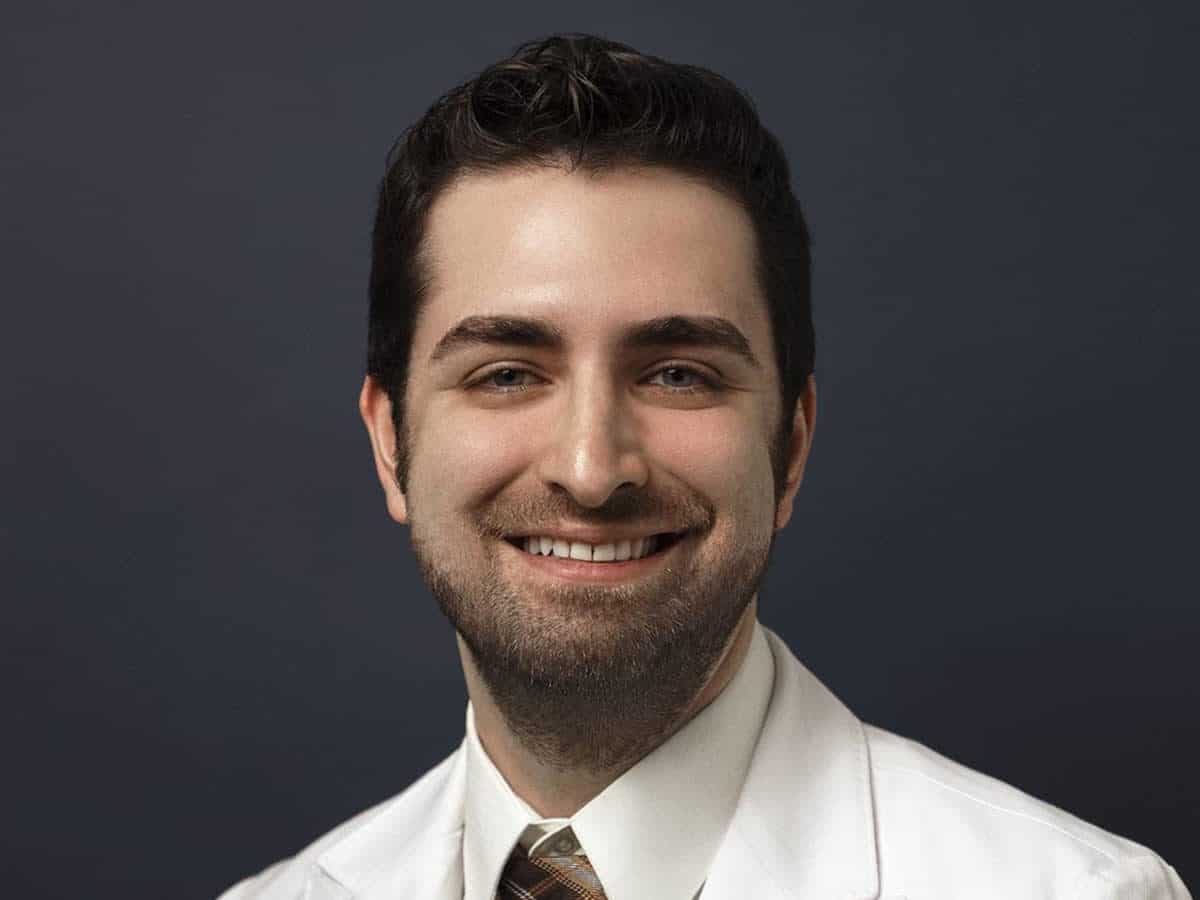
WRITTEN AND REVIEWED BY DR. HOMER HOJJAT, MD
Double-Board-Certified Facial Plastic Surgeon at SoCal Aesthetic Surgery
Dr. Homer Hojjat is a double-board-certified facial plastic surgeon and founder of SoCal Aesthetic Surgery in Irvine, CA. A summa cum laude graduate of UCLA, Dr. Hojjat completed his residency at Wayne State University and advanced fellowship training at Premier Image and Emory University, bringing a precision-focused approach to facial rejuvenation and non-surgical treatments.
Dr. Hojjat’s Credentials Include:
- Board Certified — Facial Plastic & Reconstructive Surgery
- Board Certified — Otolaryngology–Head & Neck Surgery
- M.D., Summa Cum Laude — University of California, Los Angeles
- Residency Training — Wayne State University
- Advanced Fellowship — Premier Image & Emory University
Expertise Areas:
Facial Plastic Surgery, Botox, Dermal Fillers, Laser Skin Resurfacing, Rhinoplasty, Facelift, Brow Lift.